Tipps - TEDME easy audience interaction & polling Tue, 12 May 2026 20:27:01 +0000 en-GB hourly 1 https://wordpress.org/?v=6.9.5 Hybride Mitgliederversammlung: Vorteile, Umsetzung & rechtssichere Planung https://tedme.com/en/hybride-mitgliederversammlungen-2026/ Fri, 03 Apr 2026 09:07:48 +0000 https://tedme.com/?p=4237 Hybride Mitgliederversammlungen sichern Teilnahme und Beschlüsse – auch bei unsicheren Reisen. So planen Sie rechtssicher und flexibel.

The post Hybride Mitgliederversammlung: Vorteile, Umsetzung & rechtssichere Planung appeared first on TEDME.

]]>
Reisen wird unberechenbarer. Steigende Kosten, geopolitische Spannungen und unsichere Flugverbindungen erschweren die Planung von Veranstaltungen erheblich. Was lange als verlässliche Grundlage galt – die persönliche Teilnahme vor Ort – wird zunehmend zum Unsicherheitsfaktor.

Gerade bei Mitgliederversammlungen kann das schnell kritisch werden. Denn hier geht es nicht nur um Inhalte, sondern um Beschlüsse, Wahlen und rechtssichere Abläufe. Sicher fährt, wer jetzt auf eine hybride Mitgliederversammlung setzt.

Kurzum:

  • Reisen ist weniger planbar
  • Teilnahme vor Ort unsicher
  • Mitgliederversammlungen besonders betroffen

Warum eine hybride Mitgliederversammlung 2026 wichtig wird

Bei Versammlungen zeigt sich derzeit ein klarer Trend: Die Nachfrage nach hybriden Veranstaltungen steigt. Organisationen suchen gezielt nach Lösungen, die sowohl Präsenz- als auch Online-Teilnahme ermöglichen.

Auch bei TEDME sehen wir diese Entwicklung sehr deutlich. Anfragen verschieben sich: weg von „reinen Präsenzlösungen“ hin zu flexiblen Setups, die kurzfristige Änderungen auffangen können.

Der Fokus hat sich verändert. Es geht nicht mehr primär um Innovation oder Reichweite, sondern um Absicherung.

Der Grund dafür ist einfach: Wenn Reisen teuer, unsicher oder kurzfristig nicht möglich sind, braucht es Alternativen. Hybride Mitgliederversammlungen bieten genau diese Flexibilität.

Was Mitgliederversammlungen von anderen Events unterscheidet

Mitgliederversammlungen haben besondere Anforderungen. Sie sind rechtlich relevant und folgen klaren formalen Abläufen. Anders als bei klassischen Events – und das wissen Sie selbst am besten – können Sie Inhalte oder Entscheidungen nicht einfach verschieben.

Fehlende Teilnehmende können direkte Auswirkungen haben; etwa auf die Beschlussfähigkeit oder die Gültigkeit von Abstimmungen. Besonders bei internationalen Organisationen steigt das Risiko zusätzlich, wenn Reisen kurzfristig ausfallen.

In der Praxis erleben wir bei TEDME häufig, dass genau diese formalen Anforderungen unterschätzt werden – insbesondere bei digitalen oder hybriden Formaten. Dabei sind gerade hier saubere Prozesse entscheidend.

Vorteile einer hybrider Mitgliederversammlung für Organisationen

Eine hybride Mitgliederversammlung kombinieren die Vorteile von Präsenz- und Online-Formaten. Sie ermöglichen eine flexible Teilnahme und sorgen gleichzeitig für stabile Rahmenbedingungen.

Teilnehmende können selbst entscheiden, ob sie vor Ort oder digital teilnehmen. Das erhöht nicht nur die Reichweite, sondern reduziert auch die Abhängigkeit von äußeren Faktoren wie Reisebedingungen.

Mit Lösungen wie TEDME können Sie sowohl Livestreams integrieren als auch digitale Abstimmungen, Teilnehmermanagement und rechtssichere Prozesse in einer Plattform bündeln.

Herausforderungen bei der Umsetzung hybrider Mitgliederversammlungen

So sinnvoll hybride Formate sind, sie bringen auch zusätzliche Anforderungen mit sich. Die technische Umsetzung muss zuverlässig funktionieren, insbesondere bei Livestreams und digitalen Abstimmungen.

Aus unserer Erfahrung bei TEDME sind es oft nicht die großen technischen Fragen, die Probleme machen, sondern die Schnittstellen: zwischen Technik, Organisation und rechtlichen Anforderungen.

Kurzum:

  • hohe Anforderungen an Technik und Stabilität
  • rechtssichere Abstimmungen notwendig
  • komplexere Organisation und Teilnehmerführung

Hybrid planen: Darauf sollten Sie achten

Eine erfolgreiche hybride Mitgliederversammlung beginnt mit der richtigen Vorbereitung. Prüfen Sie zunächst, ob Ihre Satzung hybride oder virtuelle Teilnahmeformate zulässt.

Planen Sie die technische Umsetzung frühzeitig und setzen Sie auf Lösungen, die speziell für Mitgliederversammlungen entwickelt wurden – nicht auf improvisierte Tools.

Mit TEDME lassen sich beispielsweise Abstimmungen, Teilnehmerverwaltung und Streaming zentral steuern. Das reduziert Komplexität und minimiert Fehlerquellen.

Gehen Sie diese Punkte durch:

  • Satzung prüfen: Sind hybride Formate erlaubt?
  • Abstimmung klären: Wie wird rechtssicher abgestimmt?
  • Technik früh planen (wirklich früh)
  • Rollen definieren:
    • Moderation
    • Technik
    • Teilnehmer-Support
  • Teilnehmerführung sauber denken:
    • Wie kommen Online-Teilnehmer rein?
    • Wie beteiligen sie sich?

Warum hybride Mitgliederversammlungen zum neuen Standard werden

Immer mehr Organisationen setzen auf hybride Modelle. Und zwar nicht nur als Ergänzung, sondern als festen Bestandteil ihrer Eventstrategie. Präsenzveranstaltungen werden durch digitale Optionen ergänzt, um flexibel auf Veränderungen reagieren zu können.

Diese doppelte Absicherung sorgt dafür, dass Veranstaltungen auch unter unsicheren Bedingungen zuverlässig durchgeführt werden können.

Auch bei TEDME sehen wir: Hybride Mitgliederversammlungen werden zunehmend direkt eingeplant. Nicht mehr nur als Backup, sondern als Standardlösung für mehr Sicherheit.

Was wir aktuell sehen

Immer mehr Organisationen sichern sich doppelt ab:

  • Präsenz geplant
  • Hybrid als Backup – oder direkt als Standard

Typische Szenarien:

  • kurzfristige Reiseabsagen
  • internationale Mitglieder, die flexibel bleiben wollen
  • Unsicherheit bis kurz vor dem Termin

Hybrid ist hier nicht Kür. Es ist Absicherung.

Fazit: Hybride Mitgliederversammlungen als strategisches Risikomanagement

Die Rahmenbedingungen für Veranstaltungen werden auf absehbare Zeit volatil bleiben. Organisationen müssen sich darauf einstellen, dass Planungssicherheit nicht mehr selbstverständlich ist.

Hybride Mitgliederversammlungen bieten eine praktikable Lösung, um trotz Unsicherheiten handlungsfähig zu bleiben. Sie sind kein kurzfristiger Trend, sondern ein strategisches Instrument für stabile und verlässliche Entscheidungsprozesse.

Kurz zusammengefasst:

  • Unsicherheit bleibt bestehen
  • Hybrid sichert Handlungsfähigkeit
  • strategische Relevanz statt kurzfristiger Trend

Jetzt hybride Mitgliederversammlungen sicher umsetzen

Sie planen eine Mitgliederversammlung und möchten auf Nummer sicher gehen?

Dann setzen Sie auf eine Lösung, die speziell für die Anforderungen von Mitgliederversammlungen entwickelt wurde – von der Einladung über die Teilnahme bis zur rechtssicheren Abstimmung.

? Informieren Sie sich jetzt über die Möglichkeiten mit TEDME und lassen Sie sich unverbindlich beraten:

CONTACT

Häufige Fragen zur hybriden Mitgliederversammlung

Die wichtigsten Fragen zur Planung, Durchführung und Rechtssicherheit im Überblick.

Was ist eine hybride Mitgliederversammlung?

Eine hybride Mitgliederversammlung kombiniert Präsenz- und Online-Teilnahme. Mitglieder können vor Ort oder digital teilnehmen und abstimmen.

Ist eine hybride Mitgliederversammlung rechtssicher?

Ja, wenn Satzung und gesetzliche Vorgaben eingehalten werden und Abstimmungen eindeutig dokumentiert sind.

Wie funktionieren Abstimmungen online?

Über digitale Abstimmungssysteme, die Stimmen erfassen, auswerten und rechtssicher dokumentieren.

Welche Technik wird benötigt?

Livestream, Abstimmungstool, Teilnehmermanagement und eine stabile Internetverbindung.

Wann lohnt sich eine hybride Mitgliederversammlung?

Bei unsicheren Reisen, internationalen Teilnehmern oder wenn eine hohe Teilnahmequote wichtig ist.

Was sind die Vorteile hybrider Mitgliederversammlungen?

Mehr Flexibilität, höhere Teilnahme, bessere Planbarkeit und sichere Beschlussfähigkeit.

Wie unterstützt TEDME bei hybriden Mitgliederversammlungen?

TEDME bündelt Teilnehmermanagement, Abstimmungen und Streaming in einer Plattform – für eine sichere und effiziente Umsetzung.

Welche Plattform eignet sich für hybride Mitgliederversammlungen?

Eine Plattform für hybride Mitgliederversammlungen sollte Teilnehmermanagement, Abstimmungen und Streaming in einer Lösung vereinen, wie z. B. TEDME.

The post Hybride Mitgliederversammlung: Vorteile, Umsetzung & rechtssichere Planung appeared first on TEDME.

]]>
Umfragen und Bewertungsskalen – nummerisch, verbal oder Emojis? https://tedme.com/en/umfragen-bewertungsskalen/ Fri, 27 Jun 2025 11:58:01 +0000 https://tedme.com/?p=3850 In der Welt der Umfragen und Abstimmungen spielen Fragetypen und Antwortkategorien eine entscheidende Rolle für die Genauigkeit und Interpretation Ihrer Umfrageergebnisse. Als Organisatoren von Wahlen, Online-Abstimmungen und Gremienbeschlüssen und vielen anderen Umfragen stehen vor der Herausforderung, die richtigen Skalen zu wählen, um präzise und aussagekräftige Daten sammeln zu können. In diesem Blogbeitrag erhalten Sie einen […]

The post Umfragen und Bewertungsskalen – nummerisch, verbal oder Emojis? appeared first on TEDME.

]]>
In the world of surveys and polls, question types and response categories play a crucial role in the accuracy and interpretation of your survey results. As organisers of elections, online polls and committee resolutions and many other surveys, you face the challenge of choosing the right scales to collect accurate and meaningful data. This blog post will give you a detailed overview of the different response categories and their advantages and disadvantages. So that you know exactly when you should use what.

Numerical scales - are simple and easy to analyse

Numerical scales are a popular choice for surveys due to their simplicity and familiarity. A typical numeric scale ranges from 1 to 10, with participants choosing a number to express their opinion. These scales make statistical analyses easier for you, as the answers are directly available as numerical values and you do not need to do any prior coding. However, the answers are subjective and can produce different results depending on how they are interpreted.

Nummerische Bewertungsskalen | Umfragen | TEDME

Advantages:

  • Simplicity and familiarity: Numerical scales are known in many cultures and are easy to understand.
  • Objective data: Numerical scales provide objective data points that can be used directly for statistical analyses without prior conversion.
  • Statistical analysis: Direct numerical values enable quick and easy statistical analyses.

Disadvantages:

  • Subjectivity of interpretation: A number like "5" can be interpreted differently by different participants.
  • Difficulty with extreme values: Participants may find it difficult to rate extremes such as "1" or "10" consistently.

Verbal scales - can be described precisely

Verbal scales use descriptions instead of numbers to capture participants' opinions. For example, such a scale ranges from "very unlikely" to "very likely" or from "very satisfied to very dissatisfied" or "strongly agree" and "strongly disagree". These scales offer you a more precise recording of opinions, as clear and descriptive categories are used that participants can better understand and interpret.

Advantages:

  • Precise description: Each response level is clearly defined and helps participants to express their opinions more precisely.
  • Emotional depth: Verbal scales can capture deeper emotional reactions of participants that may not be fully captured by simple numbers.
  • Better comparability: The clear descriptions allow the participants to express their opinions precisely, which makes it easier to compare the answers.
  • Flexibility in customisation: As the organiser, you can adapt the scales and their descriptions depending on the survey objective and target group.

Disadvantages:

  • Language barriers: Participants with limited language skills may have difficulty understanding the descriptions correctly. While numbers are often understood more clearly.
  • Limited number of categories: Compared to numerical scales, verbal scales can offer less flexibility, especially when capturing subtle nuances.
Verbale Bewertungsskalen | Umfragen | TEDME

Emojis as a scale 

The use of emojis as response options in scales is becoming increasingly popular, especially in online surveys and social media. Here are some considerations:

  • Visual appeal: Emojis are visually appealing and can increase the attention of participants, especially younger generations.
  • Cultural differences: Emojis can have different meanings in different cultural contexts, which limits their universal usability.
  • Limited informative value: Emojis often offer less nuance and are less precise in capturing opinions compared to verbal scales.
  • Technical restrictions: Not all survey platforms or participant devices may support the display of emojis uniformly, which could lead to inconsistencies in the responses.
  • Statistical analysis: If you want to analyse the emojis statistically, you must first convert them into "calculable" sizes.

Overall, emojis offer a fun and intuitive way to express and capture opinions. However, choose and use them carefully to ensure that you can accurately capture and interpret the desired data.

Even though emojis at scale are growing in popularity, you should carefully consider their use depending on the target group and platform to ensure the accuracy and comparability of the data collected.

Emoji Bewertungsskalen | Umfragen | TEDME

Even or odd scales?

When designing scales, you can choose between odd and even scales, with each variant having its advantages and disadvantages. 

Odd scales

An odd Likert scale includes an odd number of response options, typically 5 or 7, so it includes a neutral middle option (e.g. "Neutral") that allows respondents not to express a strong opinion.

  • Advantages of odd scales:
    • Better orientation: The middle option makes it easier for your participants to take a neutral position if they do not have a strong opinion.
    • Flexibility: You can record both positive and negative opinions without a neutral option distorting the answers.
  • Disadvantages of odd scales:
    • Neutral tendency: Participants may tend to choose the middle option. This can affect the validity of the data. In other words, you do not know clearly what the result will be for this question.
ungerade Bewertungsskalen | Umfragen | TEDME

Straight scales

An even scale has an even number of answer options, e.g. 4 or 6, which means that the neutral middle option is missing and each answer requires a decision in favour of or against the statement.

  • Advantages of straight scales:
    • Avoidance of neutrality bias: Your participants must take a clear position.
    • Stronger polarity: The scale encourages a stronger polarity in the answers, which makes the data more meaningful for you.
  • Disadvantages of straight scales:
    • Missing option in case of uncertainty: Participants may be forced to express an opinion, even if they are unsure. This can lead to distorted results.
gerade Bewertungsskalen | Umfragen | TEDME

Even or odd scales - when do you use what?

The decision between odd and even scales depends on the objectives of your survey:

  • For detailed, differentiated opinions: An uneven scale offers more scope for differentiated assessments.
  • For clear yes/no judgements: An even scale can be more useful for forcing clear decisions.

Conclusion

Whether verbal, numerical or emoji-based scales - they all have their advantages and disadvantages. If you are unsure which is best suited to your survey, feel free to ask us. We will be happy to advise you before your next project.

CONTACT

The post Umfragen und Bewertungsskalen – nummerisch, verbal oder Emojis? appeared first on TEDME.

]]>
10 gute Gründe, warum Sie eine Selbstregistrierung für Ihr nächstes Event brauchen https://tedme.com/en/gute-gruende-selbstregistrierung-fuer-event/ Mon, 21 Apr 2025 05:37:57 +0000 https://tedme.com/?p=3820 Self-registration. This gives potential participants the opportunity to register for your event themselves in a structured manner.

The post 10 gute Gründe, warum Sie eine Selbstregistrierung für Ihr nächstes Event brauchen appeared first on TEDME.

]]>

Whether it's a team event, conference, general meeting or staff meeting - every event starts with the question: Who should come - and how do I organise the registrations? Many organisers still rely on manual processes such as Excel lists, PDF forms or feedback by email. But this costs time and nerves - and quickly goes wrong, especially for larger events.

The solution? Self-registration. This gives potential participants the opportunity to register for your event themselves in a structured way - via a link, a QR code or a customised invitation page. And best of all, the technology takes care of many tasks for you automatically.

Here are 10 good reasons why you should organise your events with self-registration in future:

1. you save valuable time in the run-up to your event

Self-registration eliminates the need to manually create and maintain participant lists. Instead of having to collect feedback from various sources and laboriously collate it, participants enter their data directly into the system themselves.

The result: significantly less effort in the preparation phase - and more time for what really counts: The content, dramaturgy and experience of your event.

2. fewer errors - better data quality

Manual data entry is prone to errors: names are misspelled, email addresses contain typos or duplicate entries cause confusion. With self-registration, participants enter their data directly - and ideally confirm it via double opt-in.

This ensures correct data, fewer questions and less hassle in later steps such as badge printing, mailing or check-in.

3. live overview of all registrations

How many people have already registered? Which target groups are included? Is there a shortage of seats in certain rooms?

With digital self-registration, you have access to current registration numbers and participant details at all times - without Excel, without searching, without uncertainty. You know immediately where you stand.

4. targeted communication instead of mass emails

Another advantage: you can precisely control your participant communication. For example, reminder emails are only sent to people who have not yet registered. Only confirmed participants receive changes to the event.

This saves time, reduces wastage and shows your participants: Everything here is professional and personalised.

5 A convincing first impression - right from the application stage

The registration page is often the first point of contact with your event. So why not score points right here?

A well thought-out and visually appealing site including a professional registration form with event information, branding and clear user guidance immediately conveys trust and professionalism - and can even increase the registration rate for your event.

6. manage participation restrictions with confidence

Many events have a limited number of participants. With self-registration, you can first collect all interested parties - and later decide specifically who will receive a confirmation of participation.

This allows you to maintain control, remain fair to all interested parties and still retain room for manoeuvre for targeted approvals.

7. easily integrate individual questions and information

Do you need additional information such as menu preferences, billing addresses or workshop selection? No problem.

You can customise modern registration forms so that you can request exactly the information you need for planning - without having to follow up later.

8. full GDPR compliance - without legal headaches

Data protection is not a nice-to-have, but a must. Good tools such as TEDME offer you automatic double opt-in processes, SSL encryption and clearly defined storage periods.

In this way, you avoid legal risks and show your participants that you handle their data responsibly.

9. multi-channel capability: can be used anywhere

Whether as a link in an e-mail, as a QR code on a poster, as an iFrame integrated into another website or as a button on the intranet - you can place the access to self-registration exactly where your target group is.

This reduces the hurdles to registration and increases the likelihood that interested parties will actually register.

10. automation that pays off noticeably

As soon as someone registers, a confirmation is sent automatically. Reminders can be sent automatically if registrations are not completed. After the event, you can send a follow-up e-mail with a feedback link.

You can set up these or similar processes once - and then they run themselves. This takes the pressure off your team and ensures a consistent participant experience.

Conclusion: Self-registration is the new standard

Anyone still working with feedback forms, CC lists or static forms is wasting potential. Self-registration is a simple, elegant and very efficient solution for organising events smarter - and increasing participant satisfaction in the process.

This is exactly what you can do with the TEDME add-on module. With just a few clicks, you can create your customised registration page, send invitations, manage feedback and retain full control at all times.

? Find out more about self-registration with TEDME.

CONTACT

FAQ zur Selbstregistrierung bei Events

Grundsätzliches zur Selbstregistrierung

Was versteht man unter Selbstregistrierung bei Events?

Selbstregistrierung bedeutet, dass sich Teilnehmende eigenständig über eine Online-Seite, einen QR-Code oder einen Registrierungslink anmelden können – ohne dass das Eventteam manuell Daten erfassen muss.

Für welche Events eignet sich die Selbstregistrierung?

Sie ist für alle Eventformate sinnvoll – ob Konferenzen, Messen, Firmenveranstaltungen, Seminare oder interne Meetings. Besonders bei vielen Teilnehmenden spart sie erheblich Zeit.

Wie funktioniert eine digitale Anmeldung konkret?

Teilnehmer öffnen den Anmeldelink, geben ihre Daten ein und erhalten automatisch eine Bestätigung. Die Informationen fließen direkt in das Teilnehmermanagement-System ein.

Vorteile für Veranstalter

Warum lohnt sich eine Selbstregistrierung?

Sie reduziert Verwaltungsaufwand, vermeidet Fehler, bietet Echtzeit-Übersichten über Anmeldungen und schafft ein professionelles Nutzererlebnis – schon vor dem Eventstart.

Wie viel Zeit spart eine Selbstregistrierung?

Manuelle Arbeitsschritte wie Excel-Listen, Rückfragen oder E-Mail-Nachfassaktionen entfallen. Die Automatisierung übernimmt Bestätigungen, Reminder und Folgekommunikation.

Wie wird die Datenqualität verbessert?

Da Teilnehmende ihre Daten selbst eingeben, sinkt das Risiko für Tippfehler oder unvollständige Angaben. Außerdem können Pflichtfelder definiert werden.

Datenschutz & Sicherheit

Ist die Selbstregistrierung DSGVO-konform?

Ja. Systeme wie TEDME verarbeiten alle Daten gemäß DSGVO – mit verschlüsselter Übertragung, dokumentierter Einwilligung und sicherer Speicherung auf europäischen Servern.

Wer hat Zugriff auf die erhobenen Daten?

Nur autorisierte Personen des Eventteams. Rechte und Rollen lassen sich individuell festlegen, um Datenschutz und Datenintegrität zu gewährleisten.

Personalisierung & Zusatzfunktionen

Kann das Anmeldeformular individuell angepasst werden?

Ja. Veranstalter können Zusatzfragen, Workshop-Auswahlfelder oder besondere Abfragen integrieren – z. B. Essenspräferenzen.

Wie lässt sich die Registrierung auf der Website einbinden?

Über einen Einbettungscode (iFrame), einen QR-Code auf Einladungen oder einfach per Link in E-Mails – ganz flexibel je nach Kommunikationskanal.

Können Anmeldefristen und Teilnehmerlimits festgelegt werden?

Ja. Nach Ablauf der Frist oder Erreichen der maximalen Teilnehmerzahl schließt das System automatisch die Anmeldung.

Vorteile für Teilnehmer

Was ist der Nutzen für Teilnehmer?

Sie können sich schnell, unkompliziert und rund um die Uhr registrieren – auch mobil. Automatische Bestätigungen und Reminder sorgen für Transparenz und Komfort.

Erhalten Teilnehmer nach der Registrierung Informationen zum Event?

Ja. Bestätigungen, Reminder und Updates können automatisiert versendet werden, um die Kommunikation zu vereinfachen.

Umsetzung mit TEDME

Wie unterstützt TEDME bei der Selbstregistrierung?

TEDME bietet eine flexible, DSGVO-konforme Lösung zur Selbstregistrierung – inklusive Teilnehmermanagement, Automatisierungen, Echtzeitübersicht und Kommunikationsmodulen.

Kann ich TEDME testen oder eine Demo anfordern?

Ja. Auf der TEDME-Website kann eine unverbindliche Demo angefragt werden, um die Selbstregistrierung live zu erleben.

The post 10 gute Gründe, warum Sie eine Selbstregistrierung für Ihr nächstes Event brauchen appeared first on TEDME.

]]>
Digitaler Check-in: Das unsichtbare Upgrade für rechtssichere Abstimmungen https://tedme.com/en/digitaler-check-in-fuer-rechtssichere-abstimmungen/ Sat, 19 Apr 2025 05:23:47 +0000 https://tedme.com/?p=3814 Digital check-in: Who can actually vote at a meeting - and who can't?

The post Digitaler Check-in: Das unsichtbare Upgrade für rechtssichere Abstimmungen appeared first on TEDME.

]]>

Who is actually allowed to vote at a meeting - and who is not?
This seemingly simple question regularly causes uncertainty in practice. This is because in many organisations, only those who can prove that they are present - whether on site or online - are allowed to take part in elections or vote.


In this blog post, you can find out how to solve this problem elegantly - with a digital check-in that is more than just an "arrival". With the technical ticket to your vote, so to speak.

1. without login - no vote

For your event with a vote, check-in means that the person taking part must actively identify themselves before taking part in the vote. Only those who scan the personal QR code that they have received by email or mail merge, or who are checked in manually by an organiser, are counted as present and entitled to vote.

This not only protects against errors, but also ensures that:

  • Legal certainty: only verified persons take part
  • Transparency: every check-in is documented
  • Traceability: Who was there and when - and who wasn't?

This creates a solid basis for any form of voting - whether at general meetings, committee meetings or hybrid formats.

2. putting an end to grey areas in the quorum

Anyone who organises events knows the dilemma: participants sometimes leave the room briefly, but could still vote.

With a digital check-in like TEDME, you can prevent exactly that:
Only those who are actively checked in are considered to be present. You can check out participants yourself in TEDME. This means

  • Clear figures on the current quorum
  • Reliable basis for voting authorisations
  • Clean logging for proof to authorities or members

A real game changer, especially when it comes to changes to the articles of association or board elections.

3. the QR code as the key to the election

The principle is simple: each person invited receives an individual QR code - by e-mail or mail merge. This QR code is not only the invitation, but also the access to the event and the authorisation to vote.

Participation is not possible without a scanned code or manual confirmation.

This way you can ensure that:

  • no double votes are awarded
  • no unauthorised persons vote
  • the entire election process is audit-proof.

And if someone doesn't have the code to hand? No problem: your team can also check in manually and react flexibly to any situation.

4. digital check-in = trust in the process

The more complex the coordination, the more important it is that everyone involved has confidence in the process. Digital check-in - as possible with TEDME - conveys this trust. Not through complicated technology, but through clear rules and comprehensible processes.

Participants see:
"I am logged in correctly, my vote counts, the process is secure."

This reduces questions, discussions and uncertainties - and increases satisfaction with the entire event.

5 Conclusion: If you are not checked in, you are not allowed to vote - and that is a good thing.

With a digital solution like TEDME, digital check-in becomes the central component of a legally compliant election. No separate tool, no duplication of effort - just a seamlessly integrated process that protects what counts:
The legitimacy of your assembly.

Whether for small clubs or large associations - anyone who wants to organise professional voting today can no longer avoid technical verification. And this is where TEDME makes a simple but effective difference.

Tip: Check-in is included in all TEDME packages. Get started right away and ensure clarity for your next vote.

Now Test free of charge on TEDME.com

CONTACT

The post Digitaler Check-in: Das unsichtbare Upgrade für rechtssichere Abstimmungen appeared first on TEDME.

]]>
Die 10 häufigsten Fehler bei Gremienbeschlüssen – und wie Sie sie vermeiden https://tedme.com/en/fehler-bei-gremienbeschluessen/ Fri, 14 Feb 2025 11:38:55 +0000 https://tedme.com/?p=3694 Gremienbeschlüsse sind ein essenzieller Bestandteil der Entscheidungsfindung in Unternehmen, Vereinen, Universitäten oder Behörden. Doch oft schleichen sich Fehler ein, die Abstimmungen verzögern, ungültig machen oder das gesamte Verfahren ineffizient gestalten. Hier sind die zehn häufigsten Fehler – und Tipps, wie Sie diese vermeiden. 1. Zu späte Einladung zur Abstimmung Ein leicht vermeidbarer Fehler ist die […]

The post Die 10 häufigsten Fehler bei Gremienbeschlüssen – und wie Sie sie vermeiden appeared first on TEDME.

]]>
Committee resolutions are an essential part of decision-making in companies, associations, universities and public authorities. However, mistakes often creep in that delay votes, render them invalid or make the entire process inefficient. Here are the ten most common mistakes - and tips on how to avoid them.

1. invitation to vote too late

One easily avoidable mistake is inviting participants (too) late. If not all members are informed in good time, this can lead to frustration or even jeopardise the validity of the resolution.
Solution: Plan votes in the long term and set clear deadlines for invitations from the outset.
Tip: Use digital tools such as TEDME to send invitations with the editor from a single tool and remind participants in good time.

2. lack of digital solutions for voting

Many committees still stick to analogue or inefficient voting by email or self-made questionnaires. This leads to chaos, delayed decisions and a lack of transparency.
Solution: Rely on a digital voting platform such as TEDME, which offers automatic reminders, secure voting processes and simple results analysis.
Tip: Create transparent voting procedures with clear criteria.

3. unclear voting rules

Who is entitled to vote and who is not? Who may transfer voting rights to whom and how? If it is not clear who is authorised to vote, what majority is required or whether abstentions are counted, misunderstandings are inevitable.
Solution: Define clear voting rules in advance. Communicate these transparently to all participants.

4. lack of prioritisation within groups

There are often different voting rights and hierarchies in large committees. Without defined prioritisation, the wrong results can be achieved.
Solution: Assign priorities to voters to correctly weight multiple votes.
Use a digital tool such as TEDME that automatically takes these hierarchies into account.

5. biases are not taken into account

Persons with a conflict of interest should not vote. If this regulation is missing, the decision can be legally contested.
Solution: Allow members to be marked as "biased" and excluded from certain votes. Digital tools such as TEDME offer this function automatically.

6. no tracking of votes cast

If it is not clear who has already voted and who has not, the process can be unnecessarily delayed.
Solution: Use a platform with real-time tracking to view the status of the vote at any time. Automatic reminders help to collect missing votes in good time.

Gremienbeschlüsse

7. lack of documentation of the results

Poor recording can lead to resolutions being contested or not being able to be followed up.
Solution: Ensure automatic logging of the results.
Digital voting systems such as TEDME provide detailed analyses and export options.

8. voting periods that are too short or too long

If a vote is scheduled for too short a time, members miss their chance to participate. Voting periods that are too long, on the other hand, unnecessarily delay decisions.
Solution: Find a balanced time frame that gives everyone involved enough time.
Use reminder functions to draw attention to the end of the deadline in good time.

9. no access to votes while travelling

Not all participants are at their desk or in the office at all times. If there is no mobile solution, there are no voices.
Solution: Rely on a platform that enables mobile voting.
Tip: TEDME offers a mobile app that allows members to vote regardless of their location.

10. lack of security during voting

Without secure procedures, votes on committee resolutions can be manipulated or cast illegally.
Solution: Use a digital voting system with encrypted procedures.
Make sure that the digital voting tool has authentication mechanisms to ensure the identity of the voters.

Conclusion

Many of these mistakes can be avoided through better organisation and the use of digital tools. Modern voting systems such as TEDME help to make committee resolutions more efficient, secure and transparent. Those who rely on digital voting not only save time, but also ensure that all processes are traceable and legally compliant.

CONTACT

The post Die 10 häufigsten Fehler bei Gremienbeschlüssen – und wie Sie sie vermeiden appeared first on TEDME.

]]>
Online-Wahlen im Self-Service: Einfach, günstig und zeitsparend https://tedme.com/en/online-wahlen-im-self-service/ Fri, 14 Feb 2025 11:24:16 +0000 https://tedme.com/?p=3682 Jedes Jahr finden in Deutschland Tausende offizielle Versammlungen statt – organisiert von großen Unternehmen über Vereine bis hin zu behördenähnlichen Institutionen wie den IHKn in Deutschland. Bei vielen dieser Zusammenkünfte, besonders bei Mitgliederversammlungen, sind Wahlen und Abstimmungen ein fester Bestandteil. Doch die klassische Abstimmung per Handzeichen oder Papierwahl ist oft umständlich, teuer und erfordert eine […]

The post Online-Wahlen im Self-Service: Einfach, günstig und zeitsparend appeared first on TEDME.

]]>
Every year in Germany, thousands of official meetings organised by large companies, associations and government-like institutions such as the chambers of industry and commerce in Germany. Elections and votes are an integral part of many of these meetings, especially general meetings. However, traditional voting by a show of hands or paper ballot is often cumbersome, expensive and requires extensive support. Fortunately, there is an affordable alternative: self-service online elections - from TEDME.

Why self-service online voting

Many organisations now rely on digital solutionsto make voting more efficient, cheaper and more secure. With "Self-service online voting", TEDME offers a flexible and intuitive solution that allows you to organise your elections and votes with minimal effort.
The advantages of the TEDME solution at a glance:

  • Simple operation - can be used by anyone, without any training
  • Cost savings - elections are possible from as little as 99 euros
  • Save time - no paperwork, no time-consuming counting
  • Immediate results - available directly after the end of voting
  • Data security - protected and GDPR-compliant
Online-Wahlen im Self-Service

Favourable prices for self-service online voting - transparency right from the start

With TEDME you can organise your elections yourself at incredibly low prices:

  • up to 50 participants: only 99 euros
  • up to 100 participants: only 148.50 euros
  • 300 participants: only 396 euros

And the best thing is: you can test all of this extensively and free of charge in advance. With a free account, you can test dial as often as you like with up to 10 people.

It's as simple as that:

  1. Log in - register on the platform
  2. Upload participant list - convenient import
  3. Create election questions - flexibly customisable
  4. Start voting & trigger questions - voting begins
  5. Results received immediately - automatically analysed

Self-service online voting - including invitation editor

With the integrated Invitation editor you can invite your participants professionally and directly from TEDME by e-mail - without any additional effort.

What users say about TEDME

Want to know what others think of online voting with TEDME? Here are two voices of our customers:

During the coronavirus pandemic, we immediately began holding our club evenings in a hybrid way, live and with video transmission. As a result, we used TEDME for our 750 members so that we could hold our Annual General Meeting regularly.

If we had relied on a written discharge from the members, the postage would have cost us considerably more than the use of the software.

This made it possible for our club life not to come to a standstill and to continue as usual.

Der Einsatz von TEDME ist dabei problemlos, verläßlich und intuitiv. Allerdings – und das gilt für alle Lösungen dieser Art – muss man vorher die Abläufe und die dann passenden Fragen genau planen, damit die Organisatoren während der Veranstaltung genau wissen, wie man welche Frage wann und wo platziert, so daß der Ablauf der Veranstaltung reibungslos erfolgt. Das tat es dann in bislang jeder JHV, sowohl für die Online Teilnehmer, als auch für die Teilnehmer in Präsenz.

Stefan Höpfel, LBV Aichach-Friedberg

"For our association, the switch to TedMe Auth has paid off for legally compliant elections and voting processes in our online general meeting. The user interface is self-explanatory and intuitively designed, so you can definitely rely on the very favourable self-service tariff. There is also a series of short explanatory videos. Our members got to grips with the technology (app or browser) during the online event and experienced swift approval processes. Compared to other providers of GDPR-compliant and legally compliant voting software, TedMe is extremely affordable, making it an absolutely recommendable solution, especially for non-profit organisations!"

German Music Therapy Society e.V. 

Judith Brunk, Managing Director

Conclusion: Digital elections for everyone - simple, secure, cost-effective

Why make it complicated when you can make it simple? With TEDME self-service online voting, you save time and money and make voting more efficient and stress-free for your organisation. Try it now free of charge.

The post Online-Wahlen im Self-Service: Einfach, günstig und zeitsparend appeared first on TEDME.

]]>
So hilft Ihnen ChatGPT bei Evaluationen und Interaktionen https://tedme.com/en/chatgpt-fuer-evaluationen-und-interaktionen/ Mon, 22 May 2023 08:25:31 +0000 https://tedme.com/?p=2297 Hand aufs Herz: Wie leicht fällt Ihnen das Formulieren von Evaluationsbögen, das Tippen vom Umfragen, das Formulieren von Interaktionen oder das Erstellen von Begleitschreiben für Abstimmungen jeglicher Art? Wenn es Ihnen so geht, wie vielen Organisatoren oder Planern, dann wäre ein wenig redaktionelle Unterstützung oder einige kreative Ideen ganz hilfreich. Genau hier kommen KI-Tools wie […]

The post So hilft Ihnen ChatGPT bei Evaluationen und Interaktionen appeared first on TEDME.

]]>

Hand on heart: How easy is it for you to formulate evaluation forms, type surveys, formulate interactions or create cover letters for all kinds of votes? If you are like many organisers or planners, then a little editorial support or some creative ideas would be very helpful. This is where AI tools such as ChatGPT come into play - you can of course also use others, e.g. neuroflash or soon Bard from Google.

1) ChatGPT - Support for evaluation forms

Why not ask for help in formulating the questions on your evaluation forms? When creating these forms for the first time, you often sit in front of a "blank sheet of paper" and simply have no idea.

Prompts, i.e. input commands that help you do this:

Create a feedback form with 10 questions that asks about the satisfaction of our employees in our company. Focus on the changes compared to last year. Formulate the questions so that they can be answered on a scale from 1 (very good) to 5 (very bad).

Excerpt from the answer:

Feedbackbogen mit ChatGPT erstellen – TEDME-Votingtool

In our case, ChatGPT has created the questionnaire in the du tonality. If you want to change this, simply add the prompt:

Formulate the questions all in the "you" form of address.

Excerpt from the answer:

Feedbackbogen mit ChatGPT erstellen – TEDME-Votingtool

The good thing about this is that ChatGPT understands commands in context. This means that you can send the second prompt even after the first suggested result has been displayed.

Alternatively, you can also ask ChatGPT to create the evaluation form for your last congress. It is entirely up to you whether you adopt this 1:1 or whether you regard the answers merely as a suggestion.

Create a feedback form for the "Personnel Marketing" congress that has just ended and ask how the participants liked the event and what we should do better in future. At the end, also ask about the Net Promoter Score. Create the sheet in the you address.

Excerpt from the answer:

Feedbackbogen für einen Kongress mit ChatGPT erstellen

When it comes to the Net Promoter Score, we still have to give ChatGPT a little help, because the tool first creates the query on a scale from zero to four.

Excerpt from the answer:

NPS Frage mit ChatGPT generieren

That is why we are concretising the prompt: Formulate question 9 in such a way that the respondents can answer on a scale from 0 (very unlikely) to 10 (extremely likely).

Answer:

Net Promoter Score korrekt abfragen

You can then transfer this question 1:1 into the TEDME voting tool and determine the Net Promoter Score.

Net Promoter Score
Net Promoter Score

2) ChatGPT - Support for icebreaker questions

Icebreakers are extremely important at events or trade fair stands, whether B2B trade fairs or recruiting events. They are door openers and at the same time decide whether the target group is more active or passive and whether they are more favourable or negative towards you afterwards.

Create a list of 5 icebreaker questions that our stand staff could ask potential applicants at a career fair.

Answer:

Eisbrecher-Fragen bei TEDME - erstellt mit ChatGPT

You can also generate icebreaker questions for your presentations.

Create a list of icebreaker questions to ask the audience at the beginning of a presentation on online marketing. The questions should be a little humorous and leave the audience wanting more.

Answer:

hurmorvolle Eisbrecher-Fragen | TEDME

If the answer matches your presentation, you can use it straight away. Or you can refine the prompt.

Eisbrecher-Fragen mit ChatGPT erstellen

3) Questions for interactions in the webinar - ChatGPT helps

What should we ask? If you're wondering, why don't you ask ChatGPT?

We are a manufacturer of screws and anchors and want to ask a few questions about interaction during the next webinar. Ideally, we can use the answers for our market research or for sales follow-up. Create 5 suggestions for suitable surveys.

Answer:

Umfragen mit TEDME

4) ChatGPT - Help with cover letter for surveys

Do you know this? The questionnaire is ready and needs to be shared with colleagues, customers or partners? But you can't think of a good text? Then simply ask ChatGPT.

Create a text that invites people to fill in a feedback form linked in the cover letter. The text is aimed at your own employees and should be formulated in an inviting way. It should explain why the feedback is so important and that everyone should take part if possible. It may also include a humorous invitation at the end.

Answer:

Anschreiben - Mitarbeiter Zufriedenheit abfragen mit TEDME

The text doesn't quite fit yet? Refine the prompt or simply change the text itself in the places that still seem unsuitable.

Anschreiben mit ChatGPT formulieren

5) Additional question for ChatGPT - GDPR-compliant voting tools

We wanted to know how well ChatGPT knows about voting tools and asked: "Create a list of voting tools for German-speaking countries that are GDPR-compliant."

Answer:

Votingtools laut ChatGPT

TEDME can do even more. Feel free to browse through this blog or our main pages.

TEDME - beliebtes Votingtool - laut ChatGPT

Conclusion

Let AI, in this case tools that help you generate texts, support you. ChatGPT, for example, can solve the odd writer's block and provide valuable ideas.

Want to know what else TEDME can do? Get in touch with us.

CONTACT

The post So hilft Ihnen ChatGPT bei Evaluationen und Interaktionen appeared first on TEDME.

]]>
Ideenmanagement – so setzen Sie es Schritt für Schritt um https://tedme.com/en/ideenmanagement-im-intranet/ Tue, 11 Apr 2023 09:40:16 +0000 https://tedme.com/?p=2266 Wer die Ideen aller Mitarbeitenden einsammeln will, kommt schnell an den Punkt, wie man dies am besten umsetzen könnte. So, dass möglichst viele sich einbringen, aber auch so, dass es nicht im Chaos endet. Eine sehr leicht umsetzbare und bedienbare Lösung für Ihr Ideenmanagement gibt es von TEDME. Wie Sie diese Schritt für Schritt umsetzen, […]

The post Ideenmanagement – so setzen Sie es Schritt für Schritt um appeared first on TEDME.

]]>

If you want to collect the ideas of all employees, you quickly reach the point of how best to implement this. In such a way that as many people as possible contribute, but also in such a way that it doesn't end in chaos. TEDME offers a very easy-to-implement and easy-to-use solution for your idea management. You can find out how to implement it step by step in this article.

Why structured idea management is so important

Structured idea management is perhaps a combination of words that may sound contradictory at first. Do ideas always have to be structured? Even in the brainstorming phase? No, the ideas themselves can of course be open and as broad as possible. But collecting, clustering and evaluating them should be structured. Otherwise, ideas will fall by the wayside and that would be counterproductive for the continued success of your idea management. Employees would simply no longer be as actively involved.

It is also very valuable if, in addition to the ideas, you also receive direct assessments of the ideas submitted by your employees. This allows you to find out very quickly where the shoe really pinches and which ideas are considered realisable internally.

Preliminary considerations for your idea management

Think in advance about how you want your Idea management want to design. Should the ideas be sent by e-mail to a central e-mail address? This seems to be a very simple solution. However, this option also has disadvantages. For example, employees cannot see which ideas others have submitted. They cannot evaluate them or develop them further. The ideas are effectively sent to a black box, which reduces the participation rate in idea management.

Better: use a transparent system where everyone can submit, see and rate each other's ideas. This keeps the participation rate high and the ideas help you make progress in the relevant areas.

How to implement the collection of ideas with TEDME

All you need for this is a central location to play it out, for example the intranet and the "Q&A module" from TEDME.

Step 1 - Create a "Q&A round" in TEDME

Log in to your TEDME account and navigate to "Events & Lectures"

Ideenmanagement im Backend von TEDME anlegen

Then select "Q&A - Questions from the audience" and create a "Lecture".

Q&A mit TEDME anlegen

Give this project a name.

Vortrag mit TEDME anlegen

Go through all the tabs under Settings. In the "General" section, enter a welcome text and upload your logo or an image to be displayed centrally.

Ideenmanagement Einstellungen mit TEDME

Now specify under "Q&A" that you want to allow "questions" - i.e. the ideas - and provide some editorial notes along the way.

We recommend not publishing the names of the idea providers, as this way the ideas remain anonymous and the participation rate is significantly higher.

TEDME individualisieren

You can set the chat to "off".

Chat in TEDME deaktivieren

Then specify what the idea sheet should look like. We recommend setting all options to "on".

Design des Ideenmanagement Formulars mit TEDME anpassen

That's all there is to it. Your idea management is ready.

Step 2 - Publish the idea sheet

Publicise the project and ask everyone to participate actively.
To do this, simply start the session and distribute the link to everyone who is to take part, or post it on your intranet.

TEDME Raumnummer vergeben

You can also integrate the application directly into your website or intranet as an iFrame. In other words "embed". The embedd code is /iframes/question_and_list_min.html?pin=RAUMPIN (where RAUMPIN is the PIN of your individual session)

This is the code for embedding - whereby we have added a space before the word iframe for readability.


< iframe height=“1800″ width=“100%“ src=“https://app.tedme.com/iframes/question_and_list_min.html?pin=ideen“>

"ideas" is the room number you have selected.

If the code is embedded, the form looks like this on your website:

In the admin area of your TEDME account, you can now check the incoming ideas again editorially or merge duplicates.

Stumbling blocks when collecting ideas

If you want as many employees as possible to participate and contribute numerous ideas, it is very important that you

  • really allow all ideas in the brainstorming phase,
  • transparently show what has already been submitted,
  • Involve many people in the process and have their suggestions evaluated,

Communicate clearly what will happen with the ideas and what the follow-up process will look like.

The worst thing that can happen to you is that employees realise that their ideas are not being taken seriously and they therefore stop actively participating.

However, with the TEDME process and tool proposed here, you can easily implement it. We promise.

Conclusion

If you want to involve employees in idea management, you need an easy-to-implement and easy-to-use solution. TEDME offers a simple, moderatable, permanently deployable digital solution. Interested? Then why not get a Free-Account and try it out or contact us.

CONTACT

The post Ideenmanagement – so setzen Sie es Schritt für Schritt um appeared first on TEDME.

]]>
7 Tipps für erfolgreiche Webinare https://tedme.com/en/tipps-fuer-erfolgreiche-webinare/ Mon, 30 Jan 2023 09:51:50 +0000 https://tedme.com/?p=2105 Webinare haben sich längst im Marketing- und Kommunikationsmix vieler Unternehmen und Organisationen durchgesetzt. Doch die Anmelde- und Teilnahmequoten sind bei weitem nicht mehr so hoch wie in der Pandemie. Neben den vielen Alternativen in Präsenz, haben Teilnehmer auch erkannt, dass Webinare nicht immer das halten, was sie versprechen. Damit Sie Ihre Zielgruppe von der Einladung […]

The post 7 Tipps für erfolgreiche Webinare appeared first on TEDME.

]]>

Webinars have long since established themselves in the marketing and communication mix of many companies and organisations. However, registration and participation rates are nowhere near as high as they were during the pandemic. In addition to the many alternatives in person, participants have also realised that webinars do not always deliver what they promise. To ensure that you inspire your target group from the invitation to the farewell - and even beyond - we have provided you with 7 crucial tips. From practice for practice.

1. define your webinar objective

Sounds trivial, but it usually isn't. Maybe that's why so many planners skip this step in reality and start right away with webinar planning. Yet this is the key to success.

Because your goal determines the target group, their approach, the content in the webinar and the specific design of the webinar.

2 Target examples:

  • Classic lead generation
    You want to draw the attention of at least 500 people to the next webinar (= number of registrations), of which at least 100 people should attend live in order to generate 5 demo appointments for your new product at the end.
  • Typical community building
    You want to retain your community and promote networking among each other. At the end, at least 5 new contacts should have been made for each of the participants or 5 conversations with existing contacts should have revitalised the relationship. You want to make your brand memorable and reach at least 100 people via the webinar.
Leads durch Webinare generieren
Generate leads through webinars

2. define your target group - preferably at persona level

Think very carefully about who the ideal participant for your webinar is. A lot depends on this when designing the webinar, e.g. the acceptance of the digital tools used, the type of approach, the depth of content of the webinar and much more.

2 persona examples:

Enrico Purchaser - Let's assume you want to reach potential buyers for your latest product in the B2B sector. A typical representative of your target group is "Enrico Buyer", who is very quality-conscious when it comes to purchasing, but is initially sceptical about new digital solutions. With this knowledge about your "Enrico buyer" persona, you should rely on easy-to-use and classic voting and interaction tools such as TEDME, which already exude secure operation and GDPR compliance. If you rely on selfie tools or digital photo mosaics right from the start, you could lose this webinar visitor right at the beginning of the webinar.

Nina Networking - Let's assume you want to invite your members to a webinar with a networking character and want to reach personas such as "Nina Networking". She definitely wants to be able to exchange ideas with others during your webinar. For example, via the session chat, which is always included with TEDME, or via breakout sessions in tools such as Zoom, MS Teams and similar. Almost all of these video conferencing tools offer the opportunity to conduct a short speed networking session among the participants. All you have to do for this: Actually include it in the agenda of your webinar. However, if your webinar remains frontal, you will almost certainly lose people like Nina Networking for the next time.

Networking - auch bei Webinaren möglich
Networking - also possible during webinars

The strength lies in the preparation

Have you defined your goal and target group? Great! You've laid the perfect foundation for the success of your webinar. Now it's important that you plan and rehearse the process meticulously - with each of the participants.

Organise a trial date in which all speakers, the moderator and the technical director take part. Now run through the process and test all the technical details - from screen sharing to the voting tool.

Speaking of the schedule:

Keep a written record of who says what and when. That's enough in bullet points, but this way everyone - from the director to the moderator - knows when the baton passes to whom. This way, no one interrupts others, no one is surprised by questions and you avoid duplication of content.

Ablaufplan - das A und O für Webinare
Schedule - the be-all and end-all for webinars

4. involve your participants BEFORE the webinar

Many planners only start the first survey in the middle or even at the end of the webinar. But that is far too late. The sooner you involve them in the content and let them participate, the higher their engagement during the webinar and afterwards. It is best to start asking for their wishes BEFORE the webinar. Voting tools such as TEDME can help you with this. What you could ask for:

  • What are you particularly looking forward to in the webinar?
  • Which topics or questions are you particularly interested in?
  • What is the biggest hurdle for you when it comes to ABC at the moment?

With TEDME you can display the answers as a word cloud, for example, or as a classic pie chart.

Wortwolken mit TEDME - für Ihre Webinare
Word clouds with TEDME - for your webinars

Alternatively, you could also offer a knowledge quiz to test the prior knowledge of your participants or have certain teams compete against each other - e.g. branch A against branch B.

Quizz mit TEDME - interaktive Präsentationen
Carry out a quiz with TEDME

5. set reminders, because calendar entries are patient

How many webinars have you registered for that you neither attended nor watched the recording of afterwards? If you are like many people, then there will be quite a few. As understandable as this behaviour is, it's a shame for your webinar if someone registers but doesn't show up or watch it afterwards.

You should therefore use reminders for your webinars. 3 reminders have proven their worth:

  • 1 week before the webinar
  • 1 day before the webinar
  • 1 hour before the webinar

Depending on the time and target group, other times may also be appropriate.

Reminder für Webinare sind essenziell
Reminders for webinars are essential

6 Activate your participants - but in a targeted manner

Based on your webinar objectives and the target group, you can now plan the interactions for the webinar. It is particularly important that these interactions actually contribute to your goal.

If you want to promote community building and reach people like Nina Networking, you need interactions that enable exactly that: Networking. Use the session chat, chat functions among the participants and breakout sessions or speed networking functions.

If you want to generate leads and actively involve people like Enrico Einkäufer in the webinar, ask targeted questions about your products, e.g:

  • Which of our products do you already know?
  • Are you planning to introduce a solution for ABC in the next few months?
  • Which products or services would you like to see from us?

You should be able to export these responses cleanly or integrate or import them into one of your marketing tools. This is the only way to achieve individualised follow-up instead of mass communication based on the scattergun principle.

Zielgerichtetes E-Mail-Marketing dank Segmentierung statt Gießkannenprinzip
Targeted email marketing thanks to segmentation instead of the scattergun approach

7. think about the follow-up - quickly and purposefully

Who reacted to your surveys in the webinar and how? Is Enrico Einkäufer planning to implement a solution like the one you offer in the next few months? Then he will certainly be pleased to receive selection tips in a follow-up e-mail after your webinar. If he is already in the middle of implementation, tips for this process can be helpful. In both cases, they will have the feeling that you have understood them and perceive you as a competent contact in this area. This is also the perfect moment to remind them of your solutions and offers.

Individualisierte Follow-up Mails statt Massenkommunikation
Individualised follow-up emails instead of mass communication

Conclusion

Webinars are easy to set up and implement. But webinars are only really successful if you address your target group precisely - from the invitation to the last follow-up e-mail. Voting and interaction tools such as TEDME help you to generate valuable knowledge about your target group and then use it in a personalised way.

Want to know more? Then contact us right away.

CONTACT

The post 7 Tipps für erfolgreiche Webinare appeared first on TEDME.

]]>
Wie Sie aus Ihrem Messestand noch mehr herausholen https://tedme.com/en/mit-tedme-messestand-aufwerten/ Wed, 14 Dec 2022 16:48:46 +0000 https://tedme.com/?p=1890 Wissen Sie, wer manchmal die besten Ideen zu Ihren Produkten, Services oder Tools hat? Ihre Kunden. Schließlich nutzen sie diese intensiv und merken schnell, was sich noch verbessern ließe, welche Funktionen sie vermissen oder was sie von Ihnen noch konsumieren würden. Nutzen Sie diese Chance und fragen Sie Ihre Kunden – zum Beispiel auf einem […]

The post Wie Sie aus Ihrem Messestand noch mehr herausholen appeared first on TEDME.

]]>

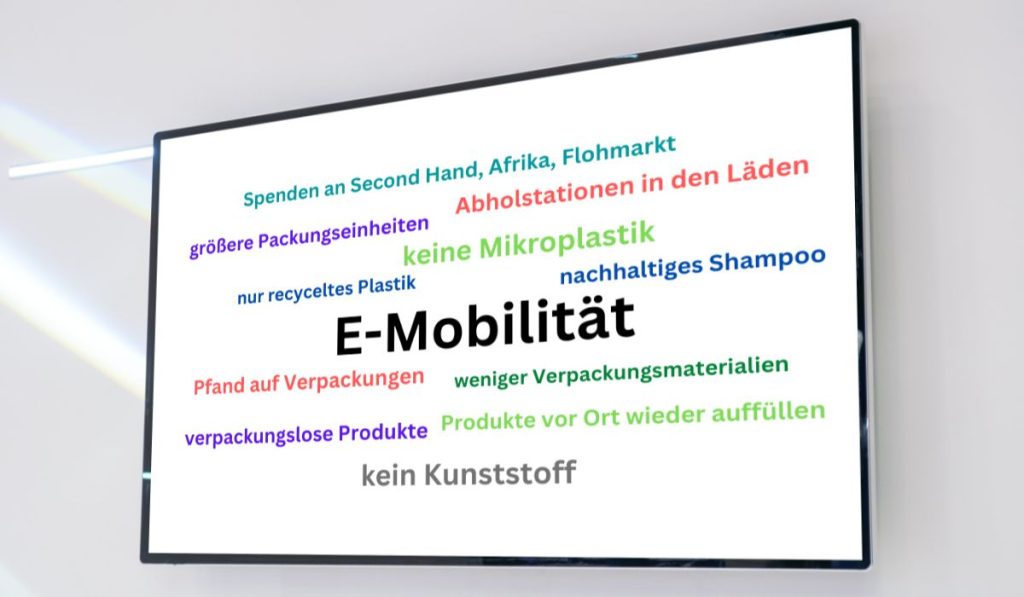
Do you know who sometimes has the best ideas for your products, services or tools? Your customers. After all, they use them intensively and quickly realise what could be improved, which functions they miss or what else they would consume from you. Use this opportunity and ask your customers - at a trade fair stand, for example. In this article, we show you how you can do this with the word clouds from TEDME.

Collect ideas at the trade fair stand: "What do you want?"

Ask your customers and trade fair visitors what they (still) want from you. For example

  • What other products would you like to see from us?
  • What ideas do you have for a sustainable product from us?
  • What service do you still miss from us?

Give your customers and their imagination free rein. With TEDME's "word cloud" question type, anyone can type in whatever comes to mind. Incidentally, you can also allow several words as one answer with TEDME - in contrast to many other voting tools.

Who knows, maybe you will give your trade fair visitors the next great product idea?

Wortwolken auf dem Messestand - mit TEDME
Word clouds on the exhibition stand - with TEDME

Attract and convince potential employees at the trade fair stand

Do you also want to present yourself as an attractive employer at your trade fair stand? In times of a shortage of skilled labour, the peak of which is yet to come, this is an excellent idea! So ask trade fair visitors, especially at a careers fair, what they would like to see from you as an employer. Collect as many ideas and answers as possible. TEDME simply displays multiple answers larger in the word cloud. In this case too, activate the entry of "whole phrases" for the word cloud so that your potential employees can enter more than just one word. Well, when you enter "home office", everyone probably knows what you want. But it would be even more accurate and meaningful if your candidate could also type in "at least three days working from home".

Wünsche auf dem Messestand abfragen - mit TEDME
Query wishes at the trade fair stand - with TEDME

Capture trends and moods at the trade fair stand with a word cloud

"What's the next big thing in ABC?" - ask what you are interested in about your trade fair visitors and what they might know. You may want to ask the question in a more serious way, but the goal remains the same: Market research and sensing trends. Where better to do this than at trade fairs? Exactly.

What you might ask:

  • What terms do you associate with ...?
  • What comes to mind after this keynote?
  • What is the first thing that comes to mind when you think of our product portfolio?
  • What should we focus on in the next quarter/year?

If you show your trade fair visitors' answers on a screen or on a screen on a lecture stage, you can also boost the participation rate. For example, you could ask a moderator to point out the ongoing survey from time to time. Depending on the skill of your presenter, "oh, that's super exciting ... how will this turn out today?" of your moderator, you can activate additional visitors.

Let your trade fair visitors have a say

Collect the best ideas from your participants and let them decide which product, training opportunity or job benefits should be presented in more detail in today's presentation.

Admittedly, that's pretty brave. But you can also prepare for it and inspire the audience with your spontaneity. Ask your trade fair visitors what they are particularly interested in today and then present precisely this information. You probably know which three key questions your visitors keep asking. You can also bring three prepared presentations with you. Or you can actually organise it freely and live - the better you know your product or services, the easier it will be for you.

To narrow down the selection, you could also switch to a different question type at TEDME, e.g. "Single Choice" or you could ask the question verbally so that your visitors automatically choose one of three answer options and type it in.

Test whether your stand visitors or your presentation audience were attentive

Are you giving a presentation at your trade fair stand? Or on the organiser's stage at the trade fair? Then use a TEDME word cloud to find out what the audience particularly remembered or liked. If possible, allow "whole phrases" as an answer option here too. This simply makes it more meaningful.

You can also have your trade fair visitors summarise a presentation in this way. You can announce and communicate this quite openly: "Today we want to summarise the most important points as a graphic. Tell us briefly what was particularly important to you."

How to integrate TEDME's word clouds into your trade fair stand

It's so easy to integrate word clouds at your next trade fair stand or stage:

  1. Create a question of the type "word cloud" in TEDME.
  2. Publish the link to the survey or a QR code.
  3. Let visitors scan the QR code.
  4. They can then type in their answers.
Wunschliste auf Messestand sichtbar machen - mit TEDME
Make your wish list visible at your trade fair stand - with TEDME

You can insert the word cloud directly into your website as a subpage via iframe.
This keeps all trade fair visitors and voters on your website and thus in your branded environment. At TEDME, this function is called "co-moderation". It ensures that none of your visitors enter unobjective or critical terms, which would then be immediately visible on the screen. But even if this happens once because you have not activated this intermediate check, you can always delete all posts in the backend and thus prevent shitstorms and the like.

This is what a TEDME survey can look like:

Wortwolken mit TEDME abfragen
Wortwolken-Board auf dem Messestand

By the way: At our customer Rossmann, which asked its trade fair visitors for sustainable ideas at its stand at the "Ideenexpo", we made sure that there was always a member of staff at the stand to look after the word clouds.

Sounds exciting? Then simply get in touch with us:

CONTACT

The post Wie Sie aus Ihrem Messestand noch mehr herausholen appeared first on TEDME.

]]>